
Over the past few months, I have had the chance to read two really great books that have been publish in the last year or so, and I want to take some time to share my thoughts. As an environmental educator, I believe at our core, each and every one of us wants a cleaner, better future for ourselves and our families. So often where people disagree is not on the end goal, but how we get there. How we get there starts with how we talk about things. The words we use are powerful and are the product of our worldview and perspective on society.
The books I will be discussing are as follows:

- Amplify: How to Use the Power of Connection to Engage, Take Action, and Build a Better World
- Adam Met PhD & Heather Landy
- Support a Local Bookshop
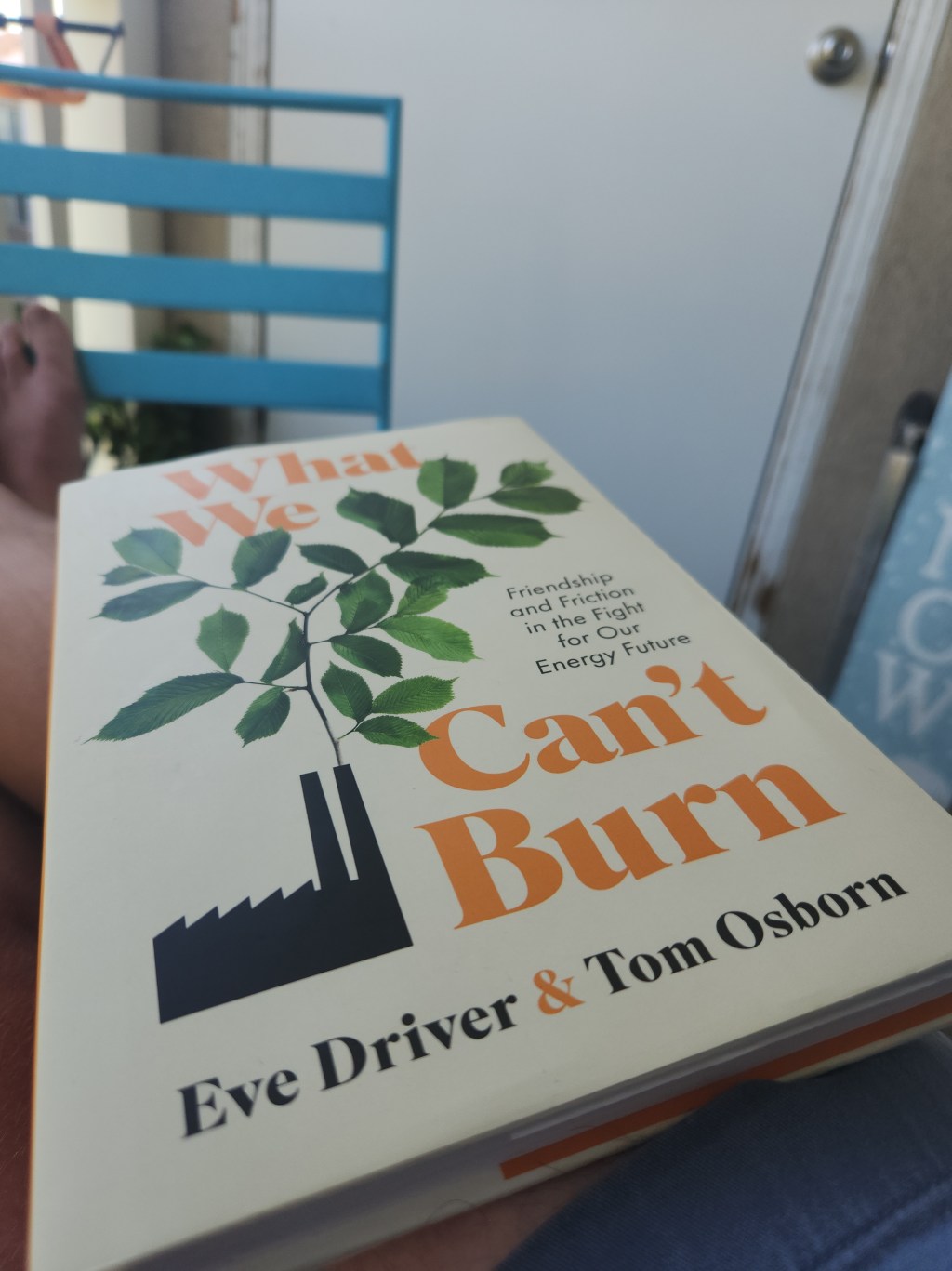
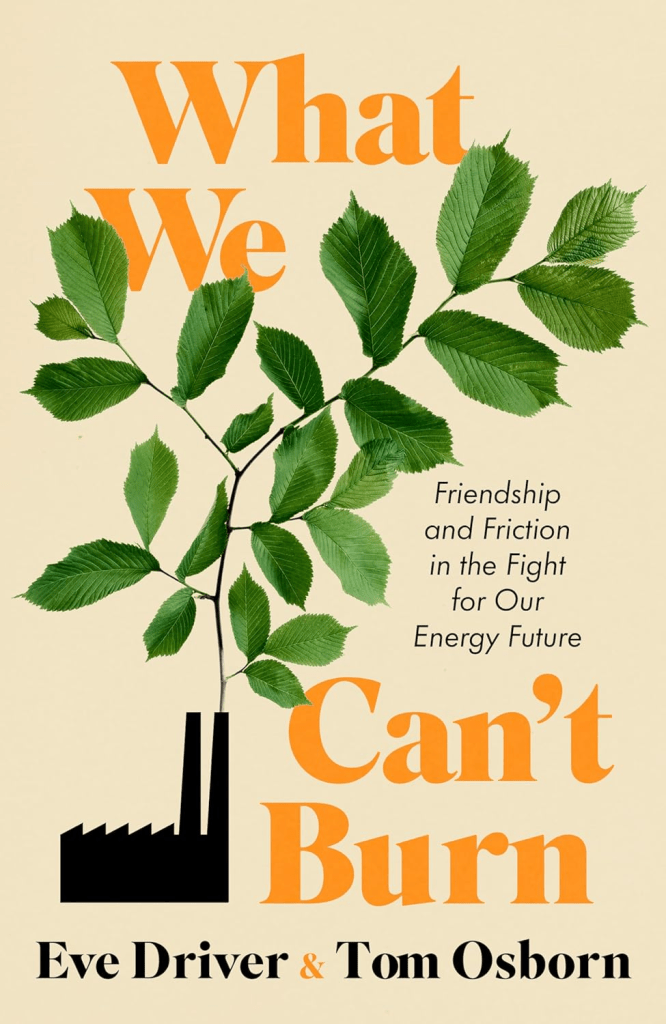
- What We Can’t Burn: Friendship and Friction in the Fight for Our Energy Future
- Eve Driver & Tom Osborn
- Support a Local Bookshop
These are climate stories, but the kinds of stories meant to scare you about the end of the world, melting ice caps, or human induced global warming. Instead, we take a deeper look at the human, personal, and relational aspect of it all. Science, research, and data play critical roles in helping craft the narrative, but they are helpless without a way to personally connect our lives to it.
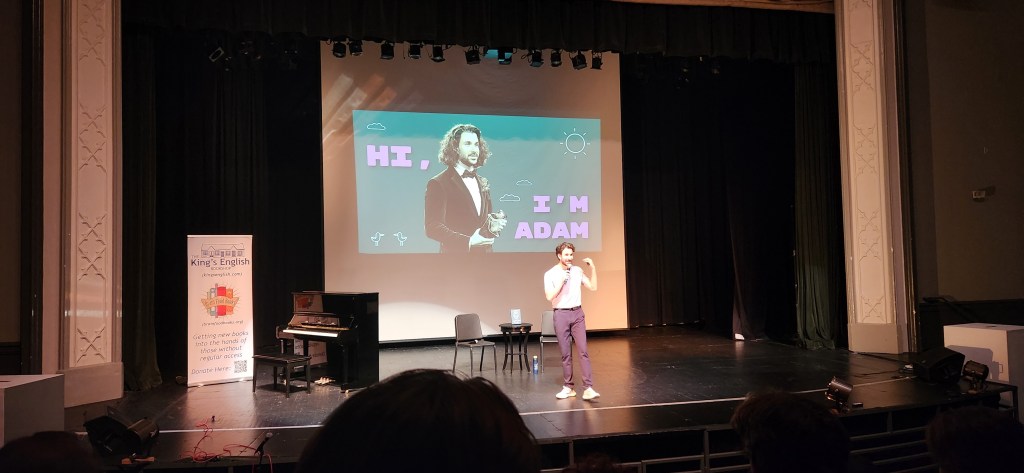
As an avid AJR fan and a science connector, Dr. Adam Met is someone who I connect with on many levels. As a quick overview, AJR stands for Adam, Jack, and Ryan, the trio of brothers that produce incredible music somewhere between musical theater and alternative pop. Think if Wes Anderson decided to write a pop album, that’s AJR in a nutshell. When he is not on stage, Met works as the Founder and Executive Director of Planet Reimagined as well as a Professor at Columbia University teaching climate policy.
When I heard that Met was writing a book, I knew that I wanted to read it as soon as it came out. Luckily, the book tour promoting the release of Amplify came through Salt Lake City only a few months after I had made the cross-country move to the area. What an incredible evening of storytelling, music, trivia, history, and thoughtful questions. I got started reading the next day.
Amplify reads as both a how-to guide and a proposal on how what social movements can learn from musicians and how they have built fanbases to create effective, lasting change. Climate change is as much a social movement as it is a scientific movement. How do we build a coalition of people who are will and able to engage at a variety of levels that stay consistently engaged and help the movement grow organically? Think like a band. What keeps people constantly listening to that one song on repeat or attending their first, or twenty-fourth concert? It starts with values, making space, and a lot of commitment. Met likes to describe their process like a hurricane, rather than a ladder of engagement. Bring people in close and give them the tools and access to make something more than we could ever think of.
This is a similar thread to the one in What We Can’t Burn. Eve and Tom, two undergraduate students at Columbia University find themselves in an unlikely friendship. Both are interested and passionate about addressing the changing climate, but rarely see eye-to-eye on how to accomplish that goal. Is it through social activism campaigns, or through entrepreneurship and free-market capitalism?
What stood out to me is that there are merits to both, and we need both. We need people out in the streets, in the voting booths, and in everyday conversations making the case for a better, brighter future. At the same time, we also need people innovating, inventing, and pushing the bounds of what is possible.

There is no one perfect, ideal, or singular solution to our global problems, especially when it comes to human accelerated climate change. What we do need more of is people understanding the bigger picture and the multifaceted approach that is needed. When social movements push for change, it is imperative that entrepreneurs are there to provide an array of solutions that are better than what we already have an provide a clear path to transition.
Changing human behavior is one of the hardest things we can ever do as society, so it helps us to make those changes come as easy as possible. I am a big proponent that social, environmental, or political movements are not won with data, but with stories about that data. Numbers don’t change most people’s minds, people change people’s minds. That is what I truly take away from these books. Friends come from unlikely places, but they can also be the ones to ask us hard questions and challenge our world view, not because we think their wrong or stupid, but because we care about them and have mutual trust and respect to make space for growth, disagreement, and discussion.
We don’t talk enough about the subjects that really matter, and I hope that these books help us do a little bit more of that.
If you have read these books, or have any suggestions of similar books I should pick up, please let me know. I have always struggled to stay engaged in reading, but the older I get, the more I realize they are incredible at stimulating the mind to ask bigger questions and spark new ideas.
 Will Freund
Leave a comment